Supporting wound healing and hair regrowth is a matter of great practical importance. Despite all care, it is...



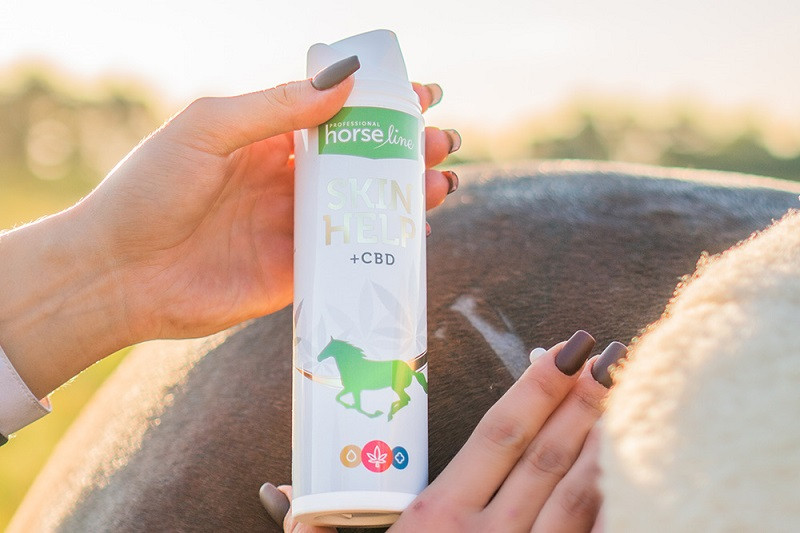
Supporting wound healing and hair regrowth is a matter of great practical importance. Despite all care, it is...

Joint pain can be caused by degenerative changes that progress with age, acquired injuries, and training overloads....

The issue of chips forming in equine joints is becoming increasingly common. Here, we discuss the nature of this...
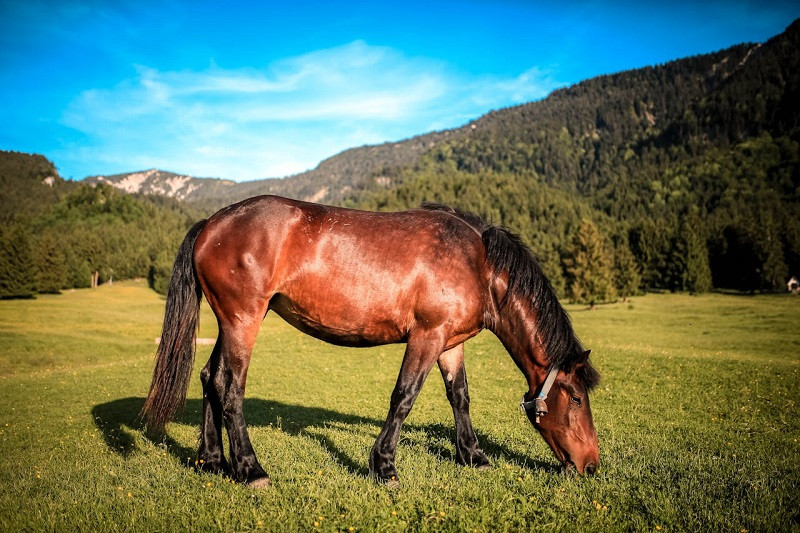
Boswellia serrata is a plant belonging to the frankincense tree family. The resin obtained from these trees has long...

Joint pain can be caused by degenerative changes that progress with age, acquired injuries, and training overloads. Dietary management supplements that support the proper functioning of the musculoskeletal system should fulfill key functions such as improving flexibility, mobility, and joint regeneration.
A horse owner involved in sports would also want to minimize the risk of injuries and ensure that the supplement is free from doping substances. Feed additive manufacturers offer a wide range of joint supplements—so how do you choose one that is worth the investment relative to the expected effects? Are the composition and concentration of active ingredients optimally selected the active ingredients in the supplement been clinically confirmed?
ChondroProtect – application in nutrition
Composition of ChondroProtect in a daily dose of 30g:
ChondroProtect – effects of individual ingredients
Boswellic acid has anti-rheumatic, antibacterial, and antiviral properties and helps reduce swelling. The most potent antioxidant properties are found in products with the highest concentration of acetyl-11-keto-β-boswellic acid (AKBA) and phenolic compounds. Oxidative stress is intensified during physical exertion.
Studies have shown that supplementation with Boswellia serrata extract reduces oxidative stress by limiting lipid peroxidation (Chilelli et al., 2016). Other studies demonstrated that Boswellia serrata extract can reduce inflammation and alleviate symptoms of musculoskeletal pain (Franceschi et al., 2016). The strongest anti-inflammatory effects within Boswellia serrata extracts come from AKBA, which inhibits the activity of the enzyme 5-lipoxygenase (5-LOX) (Orłowska-Majdak, 2014).
Clinical studies indicate that Boswellia serrata extracts can relieve symptoms of osteoarthritis, reducing pain and improving physical condition (Cameron & Chrubasik, 2014). Research in veterinary literature also highlights its effectiveness in dogs with osteoarthritis. Significant symptom improvement was observed after six weeks of supplementation (Reichling et al., 2004).
Supplementing with Boswellia serrata accelerates post-injury recovery, effectively treating both acute and chronic inflammatory conditions in the musculoskeletal system. Its mechanism is similar to that of nonsteroidal anti-inflammatory drugs (NSAIDs).
MSM is a bioavailable sulfur compound essential for joints, cartilage, and tendons. It plays a crucial role in the formation and regeneration of cartilage tissue. MSM improves the transport of nutrients to and from cells, prolonging their effectiveness in the body. It participates in the synthesis of collagen and keratin, inhibits pain impulses along nerve fibers, and has anti-inflammatory and anti-rheumatic properties.
MSM is gaining popularity due to its broad spectrum of effects, particularly its anti-inflammatory and antioxidant properties. It is a key ingredient in chondroprotective supplements. Animal studies show that MSM limits cartilage damage (Ezaki et al., 2013).
Scientific research confirms the benefits of MSM supplementation in physical exertion. MSM reduces oxidative stress in horses participating in show jumping competitions. Events lead to increased lipid peroxidation and decreased antioxidant enzyme activity. MSM supplementation mitigates these effects, with the best results seen when combined with vitamin C (Marañón et al., 2008).
Vitamin C in wild rose extract has the highest bioavailability and is best absorbed by the body. It acts as an antioxidant, supporting the physiological balance of connective, cartilage, and bone tissue. It is also essential for the production of collagen, elastin, and hyaluronic acid.
The body’s demand for vitamin C increases under stress and prolonged physical exertion (Deaton et al., 2002). Horses exposed to stressful situations—such as competitions, transport, veterinary stays, stable changes, or intensified training—benefit from additional vitamin C supplementation (Marañón et al., 2008). Lack of access to fresh green forage can also reduce optimal vitamin C levels. Oral administration effectively raises blood concentrations, indicating good absorption from the digestive system (Snow et al., 1987).
Clinical studies on wild rose fruit have isolated an active compound, GOPO (galactolipid), which is responsible for its anti-inflammatory properties. Vitamins and flavonoids enhance GOPO’s effects by inhibiting leukocyte chemotaxis, reducing acute-phase protein (CRP) levels, and lowering creatinine concentration in plasma.
Studies show that patients with chronic bone and joint inflammation who consumed powdered wild rose fruit experienced improved joint mobility and pain relief. Symptoms of acute joint degeneration were alleviated in about 65% of participants, with no observed side effects typically associated with synthetic drugs.
Chondroitin and glucosamine are crucial components of synovial fluid, responsible for joint lubrication and nourishment. When administered together, their activity significantly increases due to a synergistic effect.
Horses subjected to heavy workloads may experience reduced regeneration and mobility due to insufficient chondroitin and glucosamine levels. Older horses often struggle with poor dietary intake and absorption of these nutrients. Research confirms that supplementing these compounds improves clinical symptoms and enhances joint mobility. Supplemented horses also show increased physical activity due to better joint function.
High-quality, properly dosed glucosamine and chondroitin supplementation helps maintain healthy cartilage. No side effects have been reported from their use.
Glucosamine positively affects cartilage health by stimulating proteoglycan synthesis, the main component of cartilage cells responsible for tissue hydration and elasticity. Regular supplementation aids cartilage regeneration, reducing inflammation, pain, and stiffness. It protects not only the joint capsule but also tendons and ligaments. By preventing joint dehydration, it enhances elasticity and resistance to microdamage. Glucosamine contributes to the repair of damaged cartilage and joint surfaces.
Chondroitin is a fundamental building block of connective tissue, participating in proteoglycan production in cartilage. It improves joint mobility and stabilizes joint spaces. Its anti-inflammatory and analgesic properties reduce the risk of degenerative joint changes.
By binding water in the joints, chondroitin improves shock absorption, crucial for a horse’s movement, preventing cartilage degradation. It also reduces joint friction and stimulates synovial fluid production.
Chondroitin is well-absorbed from the digestive system, making supplementation an effective way to maintain optimal levels.
In studies on horses with degenerative joint conditions, a supplement containing 0.6g glucosamine and 0.2g chondroitin sulfate per gram was tested. Horses weighing up to 545 kg received 18g of the supplement daily (10.8g glucosamine + 3.6g chondroitin sulfate), while heavier horses received 24g daily (14.4g glucosamine + 4.8g chondroitin sulfate).
After six weeks, there was significant clinical improvement, reduced symptoms, and increased motor activity.
A young, growing horse requires a well-balanced diet to support healthy musculoskeletal development. Many joint issues later in life stem from inadequate cartilage nutrition during growth.
For adult performance horses, regular work results in ongoing wear and tear. Proper supplementation can prevent premature joint deterioration by supplying essential nutrients for synovial fluid and cartilage health.
Older horses often experience stiffness, affecting movement quality and requiring longer warm-up times. However, age does not have to be a limiting factor.
The components of ChondroProtect are scientifically validated and used in effective concentrations. It is recommended both for recovery periods and as a preventive measure to protect and strengthen the musculoskeletal system.
Where do chips come from and what are they?
Leave a comment