Supporting wound healing and hair regrowth is a matter of great practical importance. Despite all care, it is...



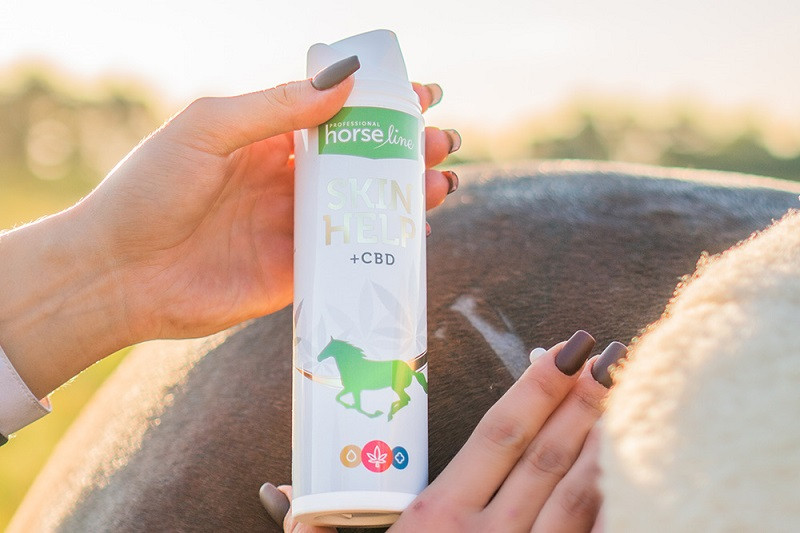
Supporting wound healing and hair regrowth is a matter of great practical importance. Despite all care, it is...

Joint pain can be caused by degenerative changes that progress with age, acquired injuries, and training overloads....

The issue of chips forming in equine joints is becoming increasingly common. Here, we discuss the nature of this...
Boswellia serrata is a plant belonging to the frankincense tree family. The resin obtained from these trees has long...
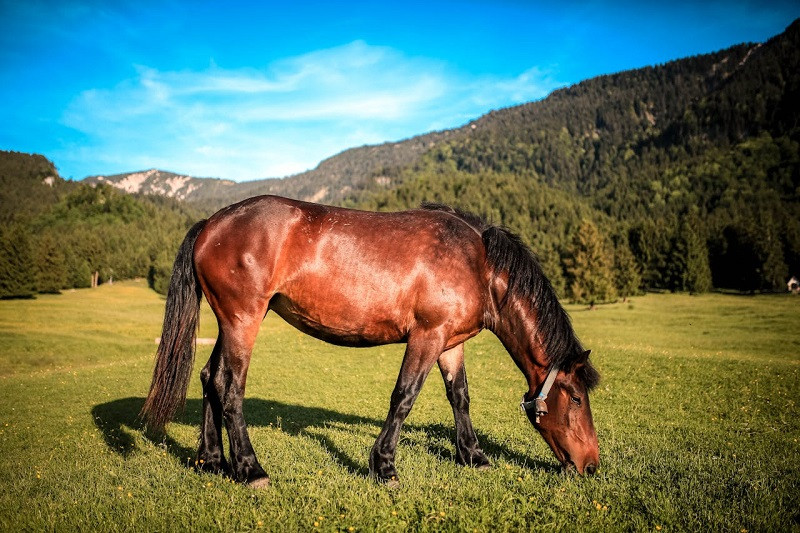
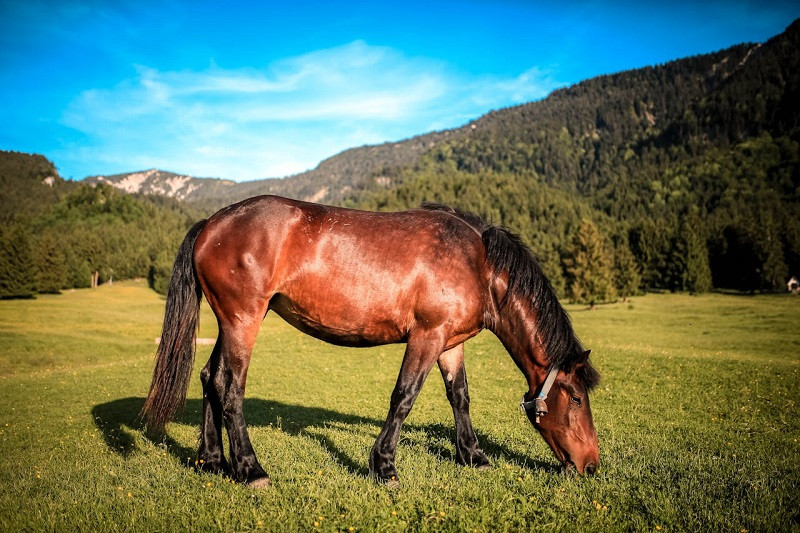
Boswellia serrata is a plant belonging to the frankincense tree family. The resin obtained from these trees has long been used in traditional medicine in India and Arab countries. The primary compounds responsible for its medicinal properties are boswellic acids. Six boswellic acids have been isolated from Boswellia serrata extract, which chemically belong to the terpene group.
In recent years, the scientific community has shown increasing interest in Boswellia serrata due to its wide range of effects. The active compounds in this plant primarily exhibit antioxidant, anti-inflammatory, and antimicrobial properties. However, the quality of the preparation, particularly the content of boswellic acids, is crucial. Recently, foreign researchers conducted studies on the quality of commercial extracts from Boswellia serrata. The preparation with the highest content of acetyl-11-keto-β-boswellic acid (AKBA) and phenolic compounds showed the best antioxidant properties. Laboratory studies have demonstrated that Boswellia serrata extracts not only have antioxidant effects but can also modulate immune system function (Beghelli et al., 2017).
Oxidative stress increases during physical exertion. For this reason, studies were conducted in which elite athletes took a preparation derived from Boswellia serrata. Supplementation led to a reduction in oxidative stress, manifested by a decrease in lipid peroxidation (Chilelli et al., 2016). In other studies, athletes suffering from muscle and joint pain were given a preparation made from Boswellia serrata extract. The results showed that this preparation could reduce inflammation and alleviate pain symptoms (Franceschi et al., 2016). Among all boswellic acids found in Boswellia serrata extract, acetyl-11-keto-β-boswellic acid (AKBA) has the strongest anti-inflammatory properties, as it inhibits the activity of the enzyme 5-lipoxygenase (5-LOX) (Orłowska-Majdak, 2014).
Some studies suggest that Boswellia serrata extracts may help alleviate symptoms in individuals with osteoarthritis by reducing pain and improving physical condition (Cameron & Chrubasik, 2014). In veterinary literature, research has been published on the use of Boswellia serrata in the diet of dogs with osteoarthritis. In most cases, some improvement was observed after just two weeks of daily supplementation. After six weeks, there was a significant reduction in clinical symptoms (Reichling et al., 2004). Recently, studies were conducted using pet food containing Boswellia serrata, devil’s claw, New Zealand mussels, glucosamine, and chondroitin sulfate. The results indicated that such a diet could slow the progression of osteoarthritis in dogs (Manfredi et al., 2018). Studies on horses found that four weeks of supplementation with a multi-ingredient preparation containing boswellic acids reduced experimentally induced inflammation of the synovial membrane. This was demonstrated by a smaller increase in the concentration of the pro-inflammatory prostaglandin E2 in joint fluid. The supplementation did not cause any side effects (Van de Water et al., 2017).
Scientific literature also includes studies on the effects of biologically active compounds in Boswellia serrata on the respiratory system. In one study, boswellic acids reduced pulmonary fibrosis that had been experimentally induced in laboratory animals. This effect was linked to decreased activity of 5-lipoxygenase (Ali & Mansour, 2011). In clinical trials, a preparation derived from Boswellia serrata alleviated symptoms in patients with bronchial asthma, with 70% of participants experiencing health improvements after six weeks of supplementation (Gupta et al., 1998).
In recent years, interest has grown in the impact of Boswellia serrata on inflammation in intestinal diseases. In vitro studies suggest that compounds in Boswellia serrata protect the intestinal barrier cells from inflammation-induced damage by inhibiting the formation of reactive oxygen species. Its antioxidant properties may help maintain intestinal epithelial integrity and function (Catanzaro et al., 2015).
Researchers have also studied the effect of Boswellia serrata on carbohydrate and lipid metabolism in diabetes. These studies are primarily conducted on laboratory animals, but recently, Italian scientists described a case of a diabetic dog treated with Boswellia serrata extract. Initially, the dog was given insulin, and later, treatment was supplemented with the plant extract. The study found that the preparation had a beneficial effect on blood glucose levels (Andreani et al., 2017).
There is also evidence suggesting that Boswellia serrata may improve memory, though the exact mechanism remains unknown. Animal studies have shown that Boswellia serrata extract increases the expression of the brain-derived neurotrophic factor (BDNF) gene, which plays a crucial role in learning and memory processes (Khalaj-Kondori et al., 2016).
In recent years, there has been growing demand for natural antimicrobial substances due to the need to address problems associated with antibiotic use, particularly bacterial resistance. Boswellia serrata is one of the plants recognized for its rich content of natural antimicrobial compounds.
Conclusion
In summary, Boswellia serrata has long been used in traditional Eastern medicine as an antibacterial, anti-inflammatory, and analgesic agent. Its broad spectrum of effects has prompted scientists to conduct studies to assess its usefulness in the prevention and treatment of various diseases. The greatest potential appears to be in relation to musculoskeletal disorders.
References:
Ali E.N., Mansour S.Z.: Boswellic acids extract attenuates pulmonary fibrosis induced by bleomycin and oxidative stress from gamma irradiation in rats. Chin. Med. 6, 36, 2011.
Andreani G., Ferlizza E., Macrì E., Beghelli D., Isani G.: Effect of Boswellia serrata supplementation in addition to insulin on glycemic control in a diabetic dog. Slov. Vet. Res. 54, 173-9, 2017.
Beghelli D., Isani G., Roncada P., Andreani G., Bistoni O., Bertocchi M., Lupidi G., Alunno A.: Antioxidant and Ex Vivo Immune System Regulatory Properties of Boswellia serrata Extracts. Oxid. Med. Cell Longev. 2017, 7468064, 2017.
Cameron M., Chrubasik S.: Oral herbal therapies for treating osteoarthritis. Cochrane Database Syst. Rev. 5, CD002947, 2014.
Catanzaro D., Rancan S., Orso G., et al.: Boswellia serrata Preserves Intestinal Epithelial Barrier from Oxidative and Inflammatory Damage. PLoS One 10, e0125375, 2015.
Chilelli N.C., Ragazzi E., Valentini R., et al.: Curcumin and Boswellia serrata Modulate the Glyco-Oxidative Status and Lipo-Oxidation in Master Athletes. Nutrients 8, pii: E745, 2016.
Franceschi F., Togni S., Belcaro G., et al.: A novel lecithin-based delivery form of Boswellic acids (Casperome®) for the management of osteo-muscular pain: a registry study in young rugby players. Eur. Rev. Med. Pharmacol. Sci. 20, 4156-4161, 2016.
Gupta I., Gupta V., Parihar A., et al.: Effects of Boswellia serrata gum resin in patients with bronchial asthma: results of a double-blind, placebo-controlled, 6-week clinical study. Eur. J. Med. Res. 3, 511-4, 1998.
Khalaj-Kondori M., Sadeghi F., et al.: Boswellia serrata gum resin aqueous extract upregulates BDNF but not CREB expression in adult male rat hippocampus. Turk. J. Med. Sci. 46, 1573-1578, 2016.
Manfredi S., Di Ianni F., et al.: Effect of a commercially available fish-based dog food enriched with nutraceuticals on hip and elbow dysplasia in growing Labrador retrievers. Can. J. Vet. Res. 82, 154-158, 2018.
Orłowska-Majdak M.: Neuroprotective properties of plant-derived pentacyclic triterpenes. Psychiatr. Psychol. Klin. 14, 284-289, 2014.
Reichling J., Schmökel H., et al.: Dietary support with Boswellia resin in canine inflammatory joint and spinal disease. Schweiz. Arch. Tierheilkd. 146, 71-9, 2004.
Van de Water E., Oosterlinck M., et al.: The preventive effects of two nutraceuticals on experimentally induced acute synovitis. Equine Vet. J. 49, 532-538, 2017.
Hemp Oil in Products for Horses
Leave a comment